Change and Transformation in a Digital World
A phased approach to sustainable success
Introduction: The Intersection of Change Management and Digital Transformation
Digital transformation has reached a new dimension. While cloud platforms and AI systems automate routine tasks, job roles, collaboration models, and competency profiles are fundamentally evolving. Collaboration tools are reorganizing how work happens across team and departmental boundaries, while automation shifts responsibilities and questions established identities. In this complex environment, the assumption that digital transformation is primarily a technology project is deceptive. The most critical shift occurs in the mindsets and behaviors of people: they must understand why the change is necessary, develop trust in the process, and feel confident that they will be supported every step of the way.
Under these circumstances, resistance is rarely technical in nature. Instead, it arises from a lack of clarity regarding objectives, a lack of transparency concerning personal impact, or communication that, while formally correct, fails to resonate in terms of content. Transformation goals that reside only at the top leave the workforce watching from the sidelines. Without perceived personal relevance, both engagement and implementation quality suffer. This makes acceptance the ultimate metric for success, far outweighing technical excellence. Trust is the fundamental prerequisite for this process: people only embrace change when they feel heard, when there is space for doubt, and when leadership consistently models the behaviors that are to define the future state.
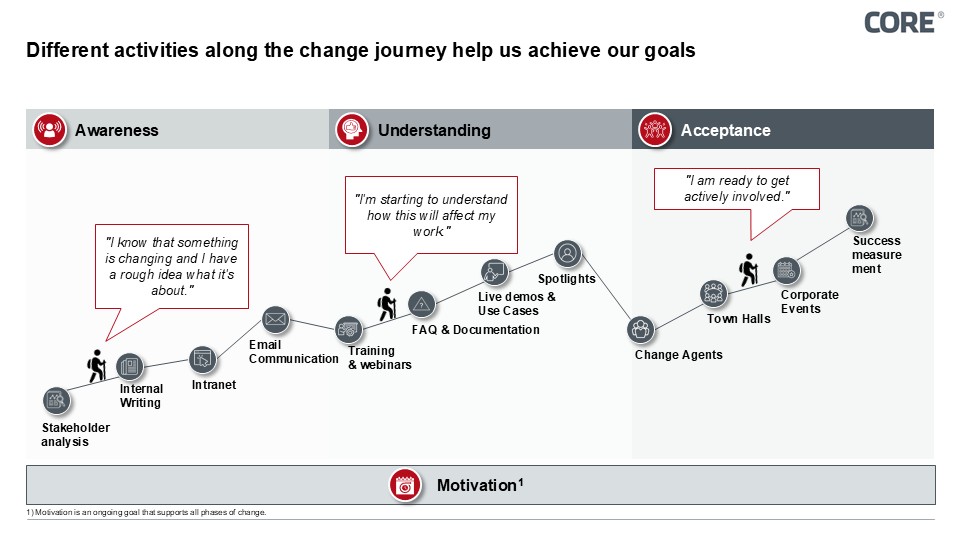
Figure 1: Phase-Specific Communication Architecture, aligning Measures with Transformation Objectives
This approach follows a rigorous logic: change management is an integral component of every initiative. Technical solutions are only deemed successful when they achieve sustained adoption and become embedded in the organization’s culture and routines. This requires a holistic understanding of the organization; its history, its unwritten rules, and its culture regarding learning and failure; as well as the ability to translate these insights into concrete interventions. The ultimate goal is not project completion, but the capacity for continuous adaptation. Consequently, successful organizations are defined less by isolated technological leaps than by a resilient agility that harmonizes customer needs, technical possibilities, and human potential.
The Phased Approach: From Analysis to Behavior-Based Transformation
To ensure clarity and impact, content is structured into sections, paragraphs, and bullet points as appropriate. Many programs focus exclusively on visible artifacts: new processes, updated organizational charts, and revised job descriptions. In doing so, they overlook the intangible factors - fears, aspirations, and habits - of those who must live the change every day. An effective approach aligns strictly with the psychology of change: first establishing deep understanding, then building trust, and finally embedding the desired behaviors sustainably.
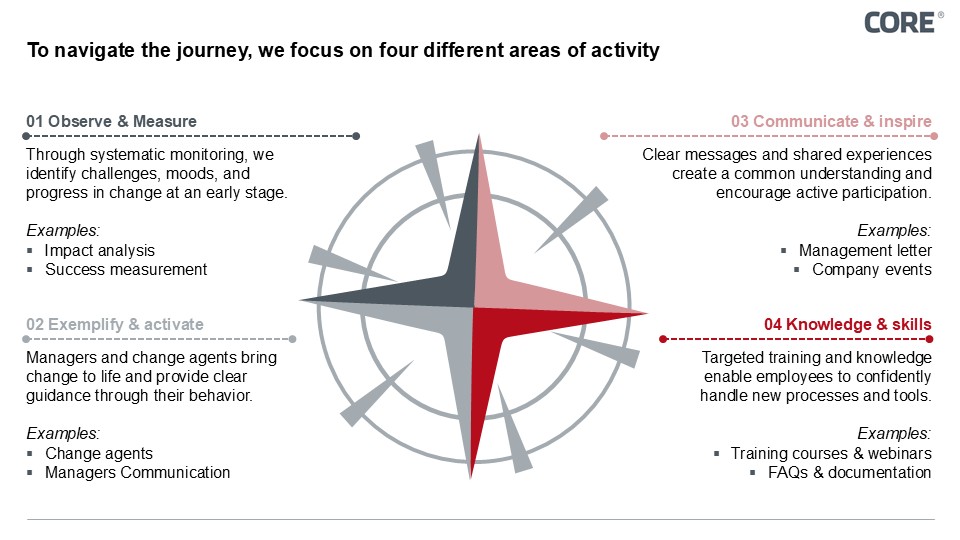
Figure 2: The Holistic Change Framework: The Four Core Dimensions of Transformation
Phase 1: In-depth Organizational Analysis
This assessment deliberately transcends simple checklists and maturity models. Through structured in-depth interviews with relevant stakeholders and a systematic review of core documents, we capture not only the 'what' of employee experience, but also the 'how' of organizational discourse. Language, tone, and communication patterns are frequently the keys to unlocking unwritten rules. The result is a profile that significantly expands and nuances traditional stakeholder analysis.
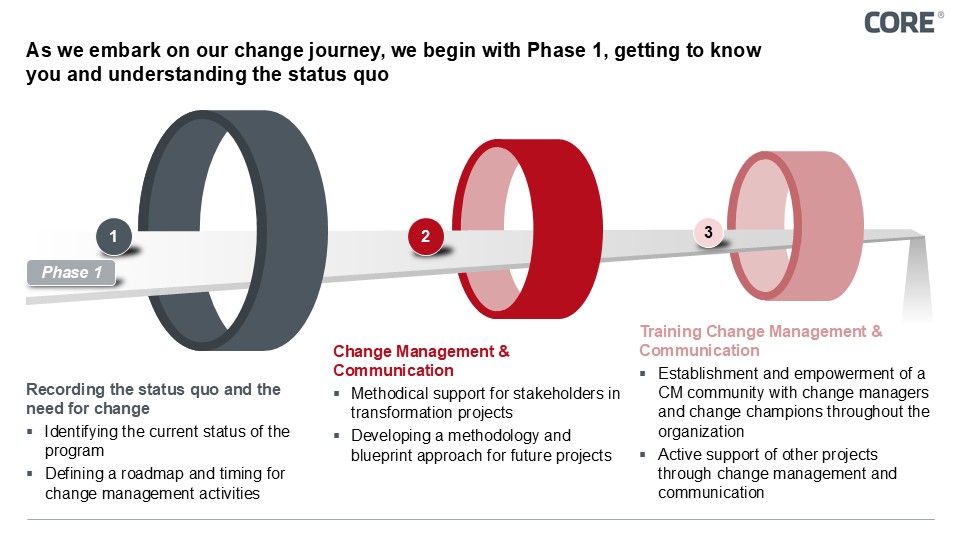
Figure 3: Deep Dive into Implementation Phases: Needs Assessment and Development of Specific Learning and Interaction Formats
Digital maturity is consistently contextualized within the framework of value creation. The critical factor is not the mere availability of technology, but its effective integration into processes and decision-making. Cultural dimensions - such as openness, a positive failure culture, and a readiness for innovation - cannot be captured through surveys alone; they manifest in competency and cultural assessments, workshops, and the way teams respond to change. Complementary anonymous surveys and brief pulse checks provide breadth, while data analytics evaluates existing business, HR, and project data. Finally, stakeholder mapping visualizes formal and informal networks of influence, identifying both strategic levers and potential barriers.
The result is a set of actionable deliverables: stakeholder maps, resistance/leverage heatmaps, and a baseline scorecard for tracking progress. By using standardized, recurring surveys with a representative cohort, we make transformation measurable and transparent. We also employ neuroscientific methods to gain objective insights into employee engagement, moving beyond mere self-assessment. Simultaneously, we review communication and decision-making structures to unlock immediate opportunities and long-term potential. Finally, interactive dashboards and strategic roadmaps provide a clear sense of direction, showing exactly where the organization stands and what steps come next.
Phase 2: Building Trust through Tangible Success
Trust is established when people experience tangible improvements and understand the underlying rationale for change. Consequently, implementation begins with deliberately selected 'quick wins' that are both relevant and impactful to daily operations. These are not an end in themselves, but serve as concrete evidence that the transformation is effective and delivering real value. An integrated communication plan, supported by a curated collection of success stories, ensures these experiences are visible and understood. In this context, storytelling is not a cosmetic addition but a strategic driver: authentic, real-world examples foster identification, mitigate uncertainty, and give the desired behaviors a human face.
During implementation, workshops become essential anchors for building trust. In safe-space formats, teams can process change both intellectually and emotionally, moving toward a shared vision of the future. We ensure operational success by implementing an OKR framework that connects individual tasks to transformation goals. Visibility is key: digital dashboards and scorecards track milestones and lower the stress of uncertainty. To validate our progress, we rely on a sophisticated monitoring system. By combining repeated baseline surveys with neuroscientific assessments, we gain objective data on the effectiveness of our measures, allowing the organization to course-correct instantly.
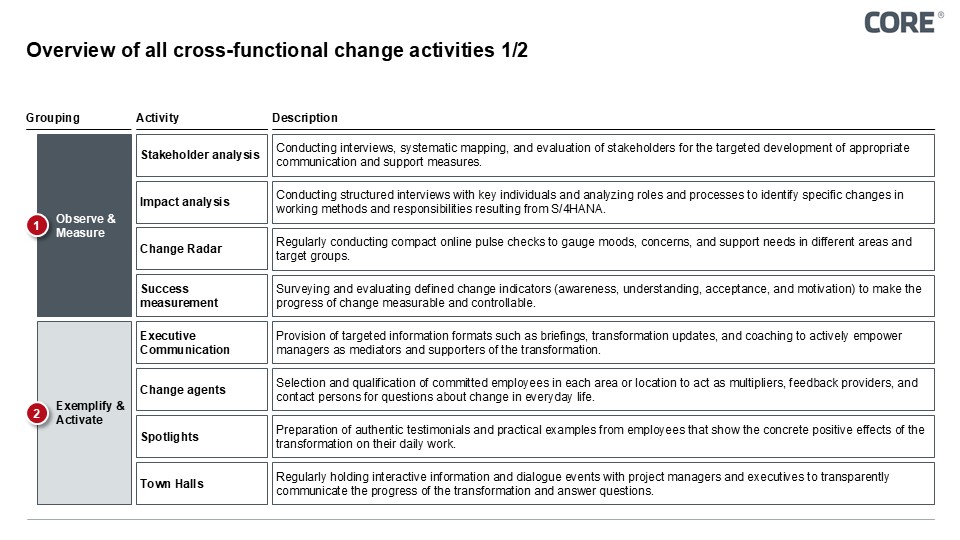
Figure 4: Mapping Operational Activities to the Four Steering Dimensions
Phase 3: Sustainable Mindset Shift
Sustainable change only occurs when there is a shift in underlying mindsets. It takes root where new routines, symbols, and incentive systems structure daily operations to create space for innovation. To keep the transformation dynamic, professional guidance is essential: change facilitators support teams and individuals in their reflection processes and provide the tools necessary to actively co-create the change. A transparent pool of facilitators makes role profiles and specific areas of expertise visible, ensuring tailored support is available for every situation. This is supplemented by a defined set of rituals (e.g., dailies, retrospectives), anchoring mechanisms (guidelines, incentive systems), and a KPI board; Mentoring programs ensure a seamless transfer of knowledge, while rigorous leadership alignment transforms executives into credible multipliers of change.
A resilient feedback culture acts as a powerful amplifier. Regular, structured dialogue enables reflection and iterative adjustment, ensuring that positive behaviors are recognized and reinforced. Modern feedback tools provide the necessary cadence and data foundation for this process. To translate new mindsets into a lasting culture, values are converted into leadership principles, behavioral examples are made visible, and Communities of Practice are established to disseminate knowledge and nurture best practices. At the conclusion of the first transformation cycle, a comparative assessment against the baseline is conducted. Long-term tracking beyond the project’s duration ensures that successes do not erode but instead become deeply ingrained. The result is a transformation that is not only technically sound but is genuinely championed by the people who live it every day.
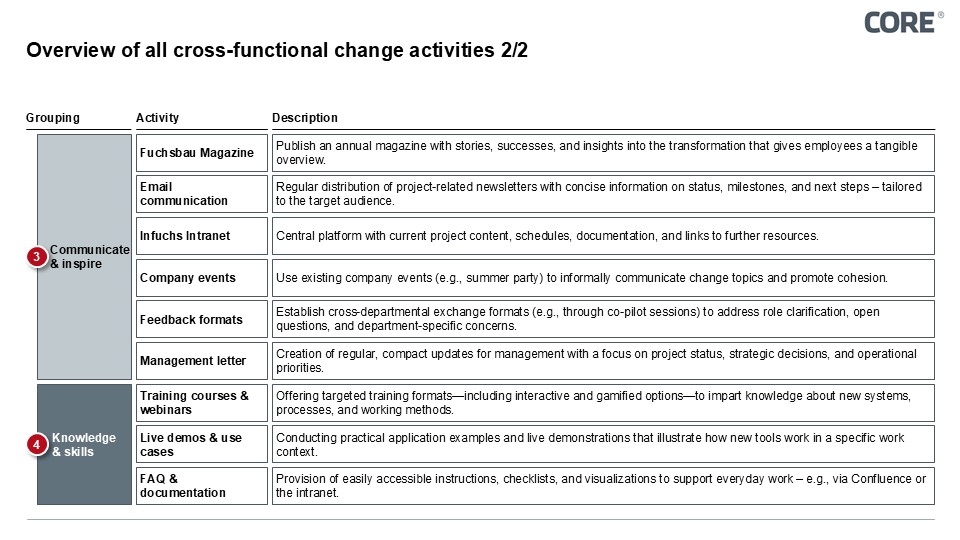
Figure 5: Mapping Operational Activities to the Four Steering Dimensions
Integration with Digital Transformation Projects at EPAM
At the core of EPAM’s philosophy lies a fundamental truth: software brilliance is secondary to user adoption. This realization has shaped our belief that 'soft skills' are, in fact, 'Human Skills' - the true hard factors of success. Transformation is a product of human connection rather than mere process mechanics. Although established methodologies like ADKAR, Kotter’s 8-Step Model, and Lean Change Management provide essential benchmarks, their effectiveness is limited unless they are deeply integrated into the unique context of the organization. The key lies in context-aware diagnostics and a commitment to looking beneath the surface: What implicit norms drive collaboration? Where do emotional roadblocks exist? How is trust earned in this particular environment? This approach is operationalized through a three-phase methodology: Analyze, Build Trust, and Anchor. We begin by identifying cultural specifics and individual drivers, turning them into a strategic roadmap. Phase two uses transparent communication and early wins to drive engagement and evaluate progress. Finally, phase three ensures that change becomes permanent by weaving it into the fabric of daily routines and incentives. Our true differentiator is the consistency with which we value connection over speed, insight over intervention, and people over process.
CORE, as part of EPAM’s global advisory unit, brings this commitment to the EMEA region, embodying the evolution from a pure software house to a holistic partner for consulting and execution. Our differentiator lies in the synergy between methodological depth and technical delivery power. When standard tools fall short, our capacity of 62,000 experts enables the development of tailored, proprietary solutions that integrate seamlessly into a company’s routines and culture. Our mission is to design technology that supports people rather than constrains them - shifting the focus from mere implementation to true empowerment. In Co-Innovation Hubs, teams and consultants collaborate as fellow explorers; Centers of Excellence build capabilities as well as systems; and structured knowledge transfer ensures that people emerge from projects with new skills and renewed confidence. The EPAM People Program fuses technical excellence with emotional intelligence, while AI Ambassadors act as translators between technology and organizational change. Central to all this is the combination of global scale and local intimacy: available in over 55 countries, yet always culturally resonant. Through broad technology partnerships, we select what fits the context and the people - never the other way around.
Results and Key Takeaways
The core takeaway from the past years is that as technology handles more routine work, the human element becomes the deciding factor for success. Our systematic process targets this by combining deep understanding with the verifiable building of trust and consistent cultural anchoring. The results are both quantifiable and qualitative. We measure success through rapid increases in user acceptance when solutions resonate emotionally with the workforce. We see it in improved quality and fewer errors when employees are truly involved in the process. Finally, we track it through stable behavioral changes supported by long-term neuroscientific data. Ultimately, this success is told through a shift in organizational culture - where threat turns into opportunity and skeptics become champions.
Wherever change is measured, ethical questions regarding the 'how' inevitably arise. Our approach is guided by three core principles. First, data minimization: we only collect what is strictly relevant to the change process. Second, voluntariness: any form of measurement or tracking requires informed consent. Third, anonymization: analytics are structured to prevent the identification of individuals, focusing instead on teams and organizational units. Furthermore, involving the works council at an early stage ensures transparency and broad acceptance. Crucially, monitoring is never an end in itself; it remains firmly aligned with the company’s values and culture.
Professional change management also delivers a compelling business case. Studies report returns on investment of up to 650 percent, returns that stem from accelerated time-to-market, enhanced quality, efficiency gains, and improved employee satisfaction. Yet, the long-term dividend is even broader: organizations acquire the core competency to not merely navigate a single project, but to shape future transformations independently and with confidence.
The Next Step: Your Transformation Begins with a Conversation
The speed of digitalization demands capabilities that cannot be built overnight. EPAM bridges the gap between deep technology and software engineering (Tech & SW First) and organizational development. Our differentiator is a holistic approach - spanning strategy, architecture, and product to change management - with a relentless focus on acceptance and impact.
Rather than offering off-the-shelf packages, we design bespoke transformations that respect your unique culture and specific challenges. We work as peers, integrating temporarily into your organization to build internal capabilities, with the goal of making ourselves redundant once your team can lead the change independently. We do not measure success by the 'Go-Live,' but by the stability of new routines and the autonomy with which you navigate future shifts.
In a world where technology evolves faster than organizations, the quality of human connection determines the quality of the outcome. Change competence is not a project - it is a leadership responsibility. The next step is not another milestone; it is a conversation about trust, responsibility, and impact. Begin where sustainable transformation happens: with people.
Questions? Talk to our experts
Expert EN - Rajesh Bose

Rajesh Bose is Managing Partner at CORE, EPAM's business and technology consulting arm. He supports companies in implementing sustainable growth and transformation strategies, combining strategic c...
Read moreRajesh Bose is Managing Partner at CORE, EPAM's business and technology consulting arm. He supports companies in implementing sustainable growth and transformation strategies, combining strategic consulting with many years of leadership experience, particularly in the industrial goods and automotive sectors. Rajesh holds an MBA from the University of Mannheim and Queen's School of Business and has completed an Executive Leadership Program at IESE Business School.
Read lessExpert EN - Marleen Auer

Marleen is a manager at CORE and holds a bachelor's degree in banking and finance and a master's degree in marketing and communication. With her experience in the banking and media industries, she ...
Read moreMarleen is a manager at CORE and holds a bachelor's degree in banking and finance and a master's degree in marketing and communication. With her experience in the banking and media industries, she supports projects at the intersection of business and technology.
Read lessExpert EN - Yannis Pester

Yannis is an Advisory Consultant at CORE in Zurich. His focus areas are corporate strategy, M&A, and change management. He brings practical experience from the automotive industry. Today, he suppor...
Read moreYannis is an Advisory Consultant at CORE in Zurich. His focus areas are corporate strategy, M&A, and change management. He brings practical experience from the automotive industry. Today, he supports clients in successfully implementing technical and strategic projects.
Read less