Leadership

Are you looking to exceed expectations through cooperation? We make our clients’ goals our own – and always represent independent, professional opinions in order to find optimal solutions. Whether as a Generalist or an Expert: at CORE you can compete with strong personalities at the highest level and jointly develop industry-leading solutions.

Partners

Our CORE Partners ensure the company's leadership and act as first points of contact for clients and colleagues as well as for the companies supporting us.

Competent key individuals jointly manage the company's success critical segments with their teams in order to further develop strategically important areas. This allows us to dynamically expand our expertise and client base in an evolving economic environment, leaning on organic growth and careful development of our corporate culture.
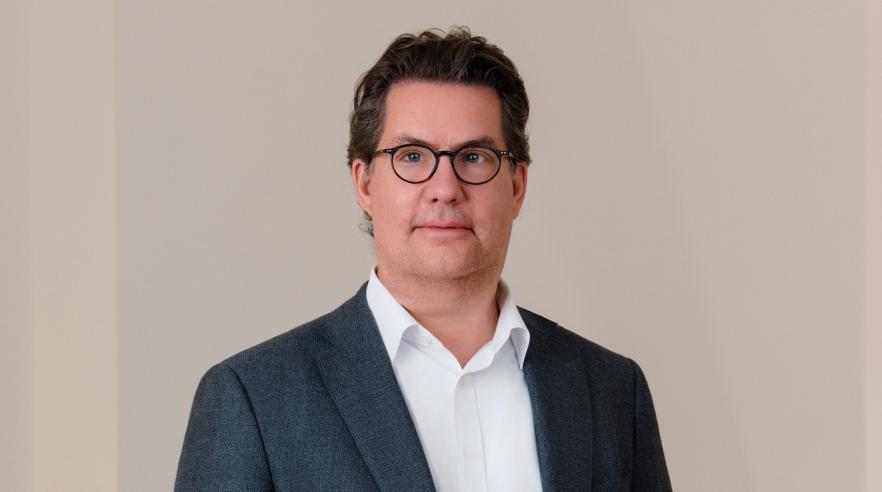


Reference items
Olaf Acker
Olaf
Acker

Olaf Acker is a Managing Partner at CORE, EPAM’s global business and technology advisory, which he co-leads with Philipp. He has more than 30 years of experience in strategy consulting and industry and has advised clients across Europe, North America, and Southeast Asia, with a strong focus on digital business transformation.His work centers on integrating technology, experience design, and business operations into large-scale transformation programs that deliver measurable value. Olaf combines strategic vision with hands-on execution to help organizations achieve lasting competitive advantage. Prior to CORE, he held leadership roles at Booz Allen Hamilton, Strategy&, and led PwC’s global digital platform. Olaf holds a degree in business information systems from the University of Würzburg and completed an executive program at the London Business School.
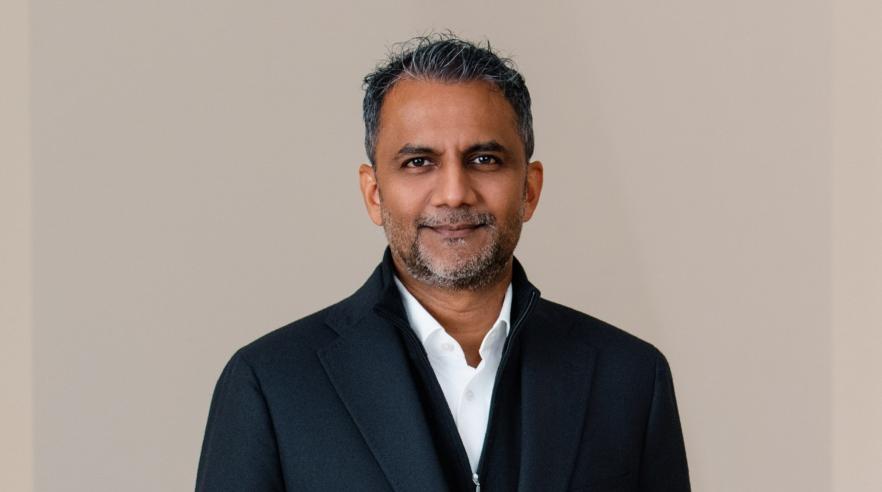
Rajesh Bose
Rajesh
Bose

Rajesh Bose is a Managing Partner at CORE, EPAM’s global business and technology advisory. He supports companies in achieving sustainable growth and transformation by aligning measurable business outcomes with human-centered leadership.With a background in strategy consulting and executive industry roles in industrial goods and automotive, Rajesh bridges operational excellence with a forward-thinking approach to customer value and capability building. At CORE, he continues his mission to help organizations redefine value creation, strengthen future-ready competencies, and lead with purpose. Rajesh holds an MBA from the University of Mannheim and Queen’s School of Business, and completed an Executive Leadership Program at IESE Business School in Barcelona.
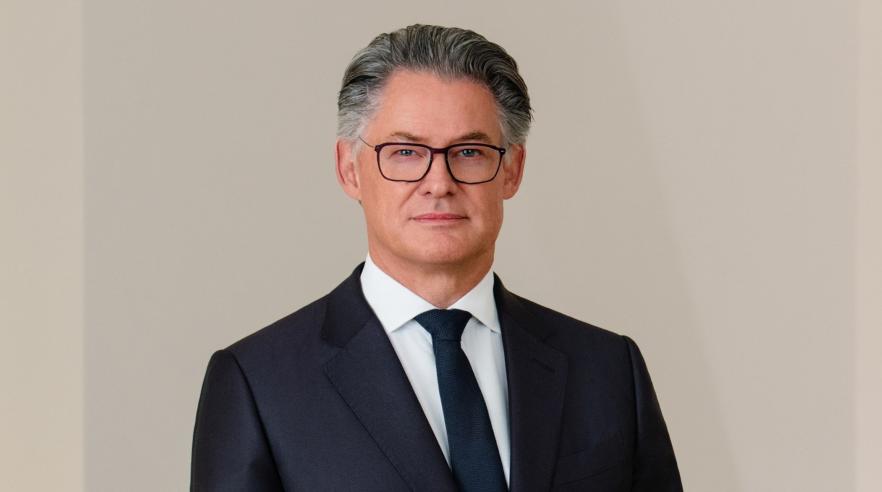
Alistair Brown
Alistair
Brown

Alistair Brown is a Managing Partner at CORE, EPAM’s global business and technology advisory. He leads the Open Banking & Payments practice and drives international transformation programs across central banks, commercial banks, fintechs, and retail organizations. His work focuses on applying a consult-design-build approach to modernize digital payment ecosystems at scale. Alistair brings over two decades of leadership experience across consulting and industry – with roles at KPMG, Capgemini, Mastercard Advisors, Visa, Mastercard, American Express, and First Data. He currently serves on the board of ArCa, Armenia’s national payments organization, majority-owned by the Central Bank, supporting the modernization of the country’s monetary infrastructure.
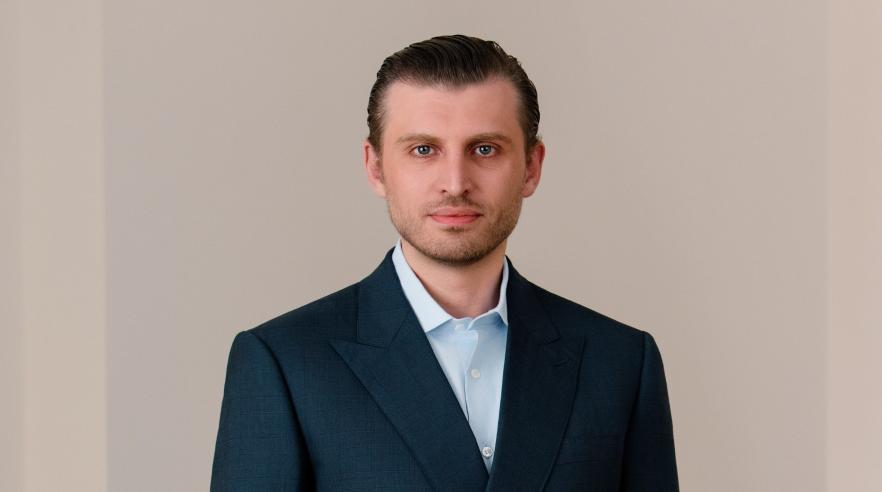
Artur Burgardt
Artur
Burgardt

Artur Burgardt is a Managing Partner at CORE, EPAM’s global business and technology advisory. He specializes in managing agile implementation projects in complex, technology-driven environments. With a background in theoretical physics, he began his career as a business analyst for leading financial institutions, where he gained early experience in core banking system development. At CORE, Artur focuses on delivering strategic technology programs, particularly in regulatory contexts and transformation initiatives. In addition to client engagements, he is responsible for CORE’s internal knowledge management and drives the development of methodological excellence within the organization. Artur holds a PhD in physics from Leipzig University and also earned a degree in International Relations from Andrássy University Budapest. He completed the Executive Program in Organizational Development at the Hertie School in Berlin.
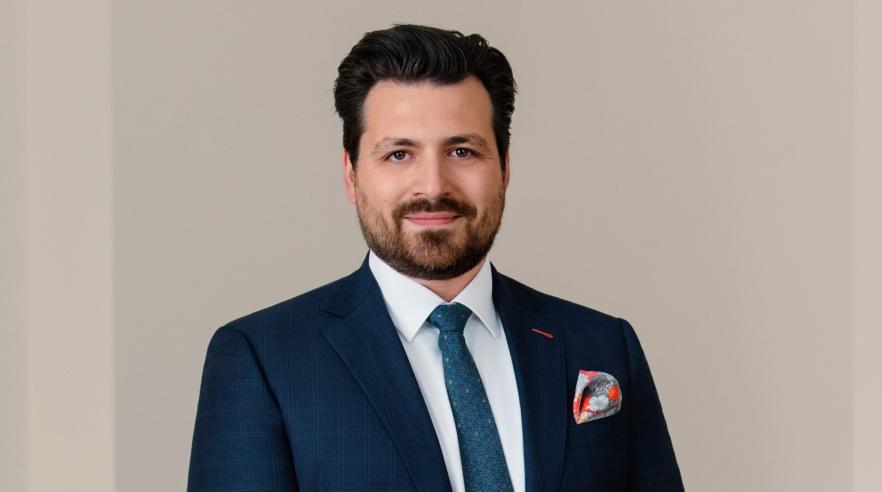
Thomas Henschen
Thomas
Henschen

Thomas is a Managing Partner at CORE, EPAM’s global business and technology advisory. He leads large-scale transformation programs in the financial services industry and oversees multidisciplinary teams of consultants and engineers focused on delivering high-impact results. His approach centers on actively managing complexity as a key driver of innovation and sustainable change. With a background in private equity, consulting, and entrepreneurship across various industries, Thomas brings a business-focused mindset to the execution of technology programs. He holds an Executive Master’s degree in Consulting & Transformation Management from ESCP Business School in Paris.
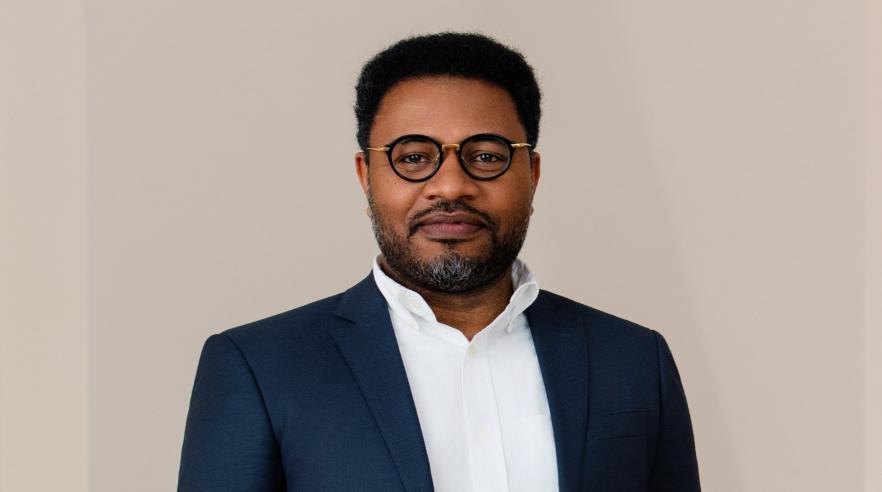
Dr. Philipp Kleine Jäger
Dr. Philipp
Kleine Jäger

Dr. Philipp Kleine Jäger is a Managing Partner at CORE, EPAM's Global Business & Technology Advisory unit which he co-heads. He brings over 20 years of industry and strategy consulting experience, and served global clients across multiple industry practises with a strong focus on FSI.
He focuses on enterprise transformations & restructuring, driven by technology and business innovation. Philipp served in various industry roles such as CTO and Advisory Board member of multiple FinTechs, Lead Architect of an International Bank, and holds a PhD from the Institute for Technical Physics of Karlsruhe Institute of Technology and a Master in Materials Science from Technical University of Darmstadt, he also attended ESADE's executive programme on Innovation Management.

Dr. Clement Mengue
Dr. Clement
Mengue

Dr. Clément Mengue is a Managing Partner at CORE, EPAM’s global business and technology advisory. He leads the Private Equity & M&A practice in the EMEA region and supports value creation initiatives across the full M&A lifecycle. With more than 15 years of experience in transaction advisory and technology-enabled transformation, Clément combines analytical rigor with deep tech expertise – from integrated buy- and sell-side due diligence to post-merger integration and go-to-market strategy development. He leverages AI and automation to drive operational efficiency and revenue growth, particularly in high-growth sectors such as software, tech services, and telecommunications. Clément holds a PhD in economics from RWTH Aachen University, a Master’s degree in business information systems, and a diploma from NEOMA Business School.
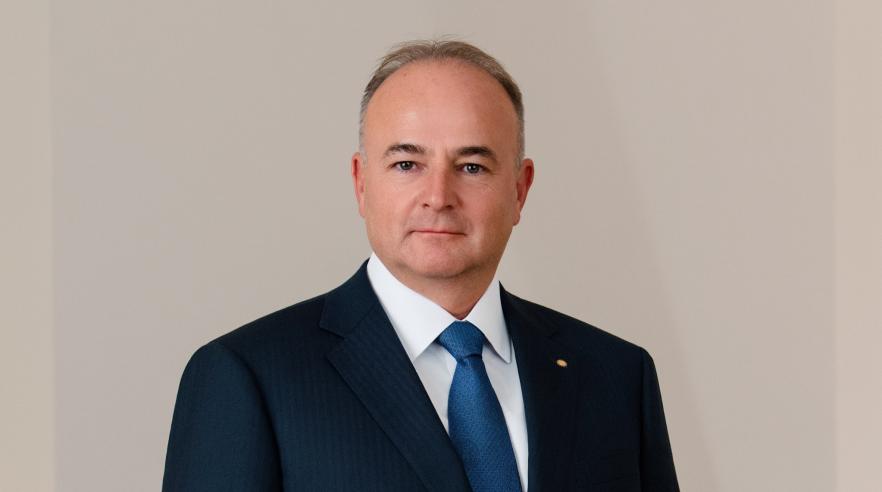
Sandro Schmidt
Sandro
Schmid

Sandro Schmid is a Managing Partner at CORE, EPAM’s global business and technology advisory. He brings over 20 years of executive experience in financial services – including roles as CEO, COO, and CRO/CFO at several banks, as well as Partner in building the advisory business of a Big Four firm. His work focuses on technology-driven transformation with a specialization in governance, risk management, and regulatory strategy. Sandro combines deep industry insight with the ability to lead complex change at scale. He is also a board member and former president of the Swiss Risk Association, where he currently heads the “Digital Age” division.

  • Technological progress and a constantly changing market environment continue to lead to massive and lasting changes in the financial industry

  • Context-sensitive banking is becoming increasingly important and is leading to novel usage for classic as well as innovative services in banking

  • We at CORE use well-tested methodologies, innovative ways of thinking as well as our expertise in future-oriented technology development to address current business challenges and attain sustainable banking solutions.

Insights

Reference items
Whitepaper

Green Finance

Corporates and PEs can benefit from an integrated IT support system to automate environmental data gathering from direct and 3rd party sources, rapid and accurate data analysis, validation against specific environmental reporting standards, and creation of sustainability reports to the rigor of f

9th May 2023
Blogpost

Big Techs vs. Banks: Payments first then Banking?

In May, the EU Competition Commission found that access to Apple's NFC interface could have been unlawfully restricted. A compulsion to open the NFC interface could trigger far-reaching market movements in mobile finance.

21st July 2022

Market situation in Banking


Established banking business models are facing disruption from fintech companies across various sectors. The value chain is shifting towards these new market players. In an industry that is already largely digitized and continuing to undergo digitalization, technological progress remains a significant driving force. Banks are aggressively transforming their core positioning through more efficient customer journeys, end-to-end process digitization, robotic process automation, and gradual portfolio expansion.

Simultaneously, fintechs and technology companies are challenging the customer interface of traditional banks. Platform offerings are pushing traditional banking services into the background, encouraging platform users to avail themselves of the providers' own services. The increasing competition is further accelerated by cost-effective white-label platforms offering full-service banking solutions to non-banking entities. Alongside the challenges posed by intensifying competition, regulatory requirements pertaining to transparency, complexity management, and risk governance for market participants are also on the rise. While banks cannot control technology and market developments, they can respond institutionally to these changes. Leveraging our extensive expertise, continuous market and trend monitoring, and proven frameworks, we can support companies in calibrating their organizational and technological measures to the best possible effect.


Industry Passion

Our methods are specifically tailored to address the unique challenges faced by our clients. We employ proven frameworks for technology transformation, ensuring support in making organizational management decisions. By evaluating technology and innovation potentials, as well as assessing organizational and cultural conditions, existing structures, and processes, we lay the foundation for deriving actionable measures. All our efforts are geared towards achieving enhanced agility, a crucial differentiating factor in the competitive landscape. Through the evaluation of technical debt, IT architecture reviews, and scrutiny of sourcing strategies, we assist our clients in achieving sustainable system development and maximizing success in an increasingly competitive environment.

Contact our experts

Reference items

Expert EN - Dr. Philipp Kleine Jäger

Prof. Dr. Philipp Kleine Jäger
Managing Partner
Dr. Philipp
Kleine Jäger

Dr Philipp Kleine Jäger is a Managing Partner at CORE, EPAM's business and technology consulting arm. He has over two decades of experience in strategic consulting and industry, and has supported ...

Read more

Dr Philipp Kleine Jäger is a Managing Partner at CORE, EPAM's business and technology consulting arm. He has over two decades of experience in strategic consulting and industry, and has supported clients around the world, with a particular focus on the financial services sector. His work centres on profound, technology-driven corporate transformations and restructuring with a focus on business innovation. Philipp has also held positions as Chief Technology Officer and Advisory Board member for several FinTech companies, as well as Chief Architect for an international financial institution.


Read less

Expert EN - Lars Fetzer

Lars Fetzer
Director
Lars
Fetzer

Lars Fetzer is Director at CORE. Before moving to consulting in 2024, he worked for over 20 years in the financial sector for a global financial services provider. His main areas of expertise inclu...

Read more

Lars Fetzer is Director at CORE. Before moving to consulting in 2024, he worked for over 20 years in the financial sector for a global financial services provider. His main areas of expertise include program & project management, agile transformations, business development, data-driven customer communication and the formulation of corporate and IT strategies.

Read less

Also interesting

  • Established insurers, with stable returns today will come under increasing pressure in the future due to changing customer requirements and the market entry of new players.

  • Historically grown IT system landscapes usually do not allow to keep up with the rapid technological development and thus prevent the realisation of growth potential 

  • Modern IT architectures and the use of lean models enable the realisation of adaptable IT system landscapes that allow for continuous transformation . 

Insights

Reference items

Market situation in Insurance


Over the past few years, traditional insurance institutions have been able to record largely stable profits in the European insurance market. However, due to the market entry of fast-growing new players, above all InsureTechs and BigTechs e.g. GAFA, an increasingly fierce competition is emerging, which is further intensified by macro-economic factors such as regulatory requirements or changing customer behaviour. The constitution of the current market environment in the insurance industry suggests that the development of new business models and close integration with other industries and agile players (e.g., InsureTechs) will become more relevant in the very near future. 
The insurance industry has so far been considered phlegmatic concerning to the digitalisation of internal processes and customer perspectives, with historically grown IT system landscapes that are not aligned with the technological competitive situation to keep up with the rapid technological development of InsureTechs, among others.
Through business model innovation and industry expertise in the insurance industry, we establish new business and use cases jointly with our clients to sustainably address changing customer requirements. Furthermore, we support a continuous transformation of the IT landscape through the use of modern IT architectures and lean models to realise sustainable and adaptable system landscapes. 


Industry Passion


Established insurers are facing new challenges in the future that require technological expertise and the development of new customer-oriented cases. CORE supports insurers in dealing with these challenges to ensure  long-term business success and not only defend the status quo, but  to distinguish themselves in a future-oriented manner from new market participants. 
As an IT think tank, CORE has expertise in the implementation of complex IT transformations on a technical and organisational level. In the past, CORE has already been able to accompany the development of holistic IT strategies and sustainable architecture target images in the insurance context. Where relevant, this also included the design of new insurance products and their integration into the existing IT. In addition to architecture modernisation, CORE additionally supports the planning and realisation of IT department process and structurereorganisation, to dissolve silo structures through the use of agile methods and to increase efficiency among departments in the long term.  

Contact our experts

Reference items

Expert EN - Thomas Henschen

Thomas Henschen
Managing Partner
Thomas
Henschen

Thomas Henschen is Managing Partner at CORE. With his many years of consulting experience in complex transformation projects, he ensures that the necessary adjustments are optimally implemented. He...

Read more

Thomas Henschen is Managing Partner at CORE. With his many years of consulting experience in complex transformation projects, he ensures that the necessary adjustments are optimally implemented. He uses his comprehensive systemic understanding to occupy the interface between the business requirements and the technical constraints and to shape them in the interest of our customers.

Read less

Expert EN - Dusan Balaban

Dusan Balaban
Director
Dusan
Balaban

Dusan Balaban is Director at CORE. He focuses on the strategic project and program management of complex IT transformation projects with a focus on the analysis of IT architectures and the developm...

Read more

Dusan Balaban is Director at CORE. He focuses on the strategic project and program management of complex IT transformation projects with a focus on the analysis of IT architectures and the development of IT target architectures, particularly in the context of the modernisation and realignment of IT organisational architectures.

Read less
  • Even during the COVID-19 pandemic, global container trade did not suffer a significant decline, while for the years after the pandemic a significant increase has already been predicted

  • External shocks at the global and regional level increase the complexity for logistics companies to be mapped systemically

  • New technologies such as distributed ledgers and artificial intelligence have the potential to disrupt the logistics industry. So far, however, none of the players in the industry have managed to develop a clear competitive advantage from these technologies

Insights

Reference items
Success Story

IT review of a logistics service provider

The IT landscape of a player in the logistics sector consists of numerous, historically grown, different systems and platforms, some of which were developed in-house.

21st July 2021
Success Story

IT review of one of the largest parcel shipping

The IT landscape of a player in the logistics sector consists of numerous, historically grown, different systems and platforms, some of which were developed in-house.

10th August 2021

Market situation in Logistics


The logistics industry has historically been an early adopter of innovations, both technological and digital. Nevertheless, the industry is coming under increasing pressure due to growing dependencies on global political and economic influences. Environmental activists, regulators and rising fuel prices are accelerating change and require industries a high degree of adaptability to maintain or expand their competitive position.

At the same time, new opportunities and business areas are emerging: dynamic pricing models enable a quick response to short-term changes on the cost side. Active capacity and yield management increase the utilisation of fleets and new technologies such as blockchain and artificial intelligence spur movement in the logistics industry.
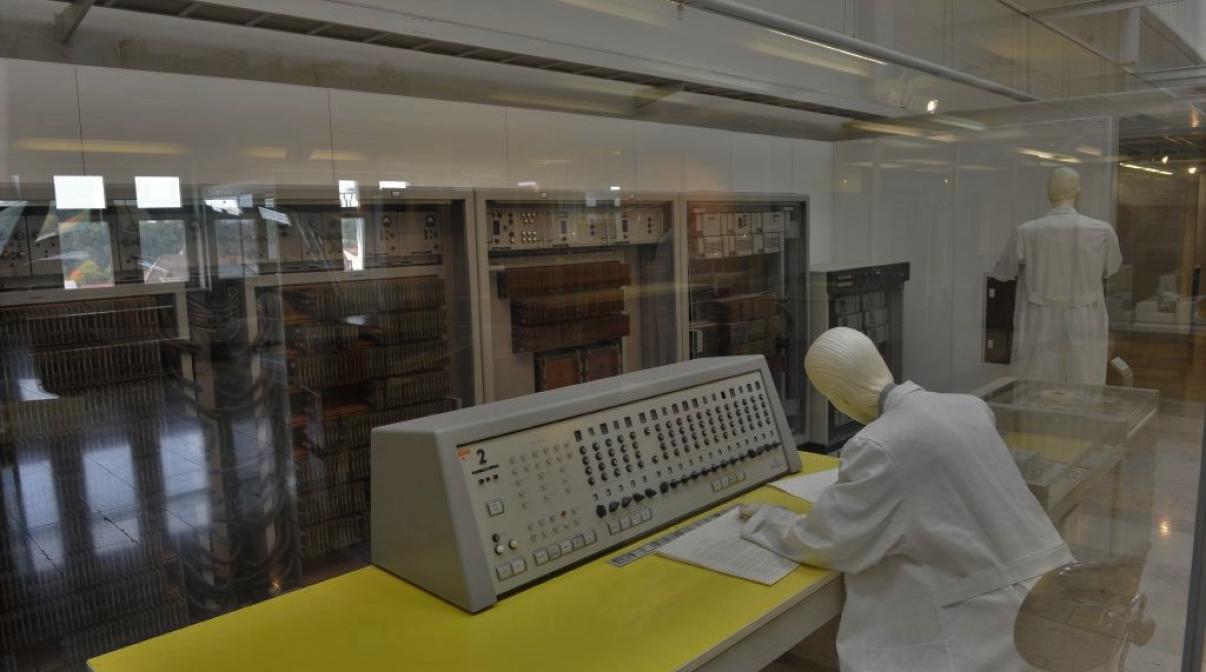
All of these potentialities have one thing in common, digital infrastructure is necessary for the use of future-oriented technologies. For this, an evaluation and mostly separation of technological and digital legacy systems is a vital challenge for logistics companies. 
Based on many years of experience in highly complex transformation projects, we support our clients in recognising the potential of state-of-the-art technology in the logistics sector, in building the technological foundations for their development and in securing a strong competitive position in an increasingly competitive environment.


Industry Passion


As in hardly any other industry, digitalisation in the logistics industry enables the targeted management of prevailing complexities. 
The industry is characterised by two potential drivers for the use of digital technologies: frequently fragmented, historically grown and highly complex application landscapes - associated with high maintenance costs and low flexibility simultaneously on the one hand, and considerable potential by using new technologies in the areas of process optimisation and automation on the other hand. 
As a technology think tank and implementors of complex transformations, we support clients from the logistics industry in the best possible way. We efficiently accompany the change towards a sustainable IT strategy and enable our clients to develop new business models and differentiate themselves from their competitors.

Contact our experts

Reference items

Expert Cloud EN - Dr. Philipp Kleine Jäger

Prof. Dr. Philipp Kleine Jäger
Managing Partner
Dr. Philipp
Kleine Jäger

Dr. Philipp Kleine Jäger is a Managing Partner at CORE and has extensive consulting experience in IT strategy and organisational development as well as sourcing, technology, and innovation managem...

Read more

Dr. Philipp Kleine Jäger is a Managing Partner at CORE and has extensive consulting experience in IT strategy and organisational development as well as sourcing, technology, and innovation management. In almost 20 years, he has gained extensive knowledge of complex financial products and systems through his work as lead architect of an international commercial bank for structured credit business and developer of portfolio management systems. In addition to classic transformation projects, he has planned and implemented cloud architectures for customers.

Read less

Expert EN - Thomas Henschen

Thomas Henschen
Managing Partner
Thomas
Henschen

Thomas Henschen is Managing Partner at CORE. With his many years of consulting experience in complex transformation projects, he ensures that the necessary adjustments are optimally implemented. He...

Read more

Thomas Henschen is Managing Partner at CORE. With his many years of consulting experience in complex transformation projects, he ensures that the necessary adjustments are optimally implemented. He uses his comprehensive systemic understanding to occupy the interface between the business requirements and the technical constraints and to shape them in the interest of our customers.

Read less

Also interesting

  • All areas and processes of the healthcare system - from individual GP practices to large hospitals - are increasingly being transformed by the possibilities of modern IT.

  • With the digitisation of highly sensitive patient data, organisations are coming into the crosshairs of cybercriminals. Legislators and authorities are reacting to the new threat situation with stricter requirements for IT systems.

  • By setting up a modern, resilient and low-maintenance IT infrastructure and a customised compliance framework, we help to shape the digital transformation actively, efficiently and, above all, securely.

Insights

Reference items

Market situation in Health


With digitalisation, the healthcare sector is facing entirely new challenges and transformation. 
Medical facilities, like doctor's offices and hospitals, are already using digital assistants to improve treatment while automated processes support care and administration.
The emergence of artificial intelligence and data-based diagnostics are enormous. Increasing automation of administration, especially in inventory and reordering of material, can significantly relieve existing medical staff.
The consequence of progressive digitalisation in the healthcare sector is an increase in targeted malware and ransomware attacks on medical facilities. Legislators are reacting to this with demands for the implementation of separate measures in the GDPR (German DSGVO), the binding security guideline according to §75b SGBV for dental and medical practices or the mandatory implementation of standards and measures for critical system infrastructure for hospitals. 
Our experience as implementors of digital transformation shows that the development of modern infrastructures must be approached holistically including opportunities and potentials, but also dangers and risks must be taken into account. Uncoordinated adaptations of IT systems can lead to fragmentation and erosion of conceptual integrity in the healthcare sector, limiting the application of new profitable technologies, increasing maintenance efforts and making effective security more difficult. 
Our solution-oriented approach therefore, places state-of-the-art technical measures and the highest possible level of automation at the centre of our activities in order to enable medical facilities to focus on their patients in the best possible way.


Industry Passion


Opportunities and possibilities - internally through efficient processes, vis-à-vis patients through digitally supported therapies and externally through effective danger prevention - can only be realised, if the need for action in the digital transformation is adequately addressed. Security, compliance, and efficiency through scaling and automation are the common goal of players in the healthcare sector. We recommend the establishment of IT infrastructures with centrally managed security policies, automated monitoring and alerting, and support clients in the implementation of cross-industry-recognised technical and organisational measures, such as role-based access management, automated data backup, and cryptographically secured communication.

Contact our experts

Reference items

Expert EN - Dr. Philipp Kleine Jäger

Prof. Dr. Philipp Kleine Jäger
Managing Partner
Dr. Philipp
Kleine Jäger

Dr Philipp Kleine Jäger is a Managing Partner at CORE, EPAM's business and technology consulting arm. He has over two decades of experience in strategic consulting and industry, and has supported ...

Read more

Dr Philipp Kleine Jäger is a Managing Partner at CORE, EPAM's business and technology consulting arm. He has over two decades of experience in strategic consulting and industry, and has supported clients around the world, with a particular focus on the financial services sector. His work centres on profound, technology-driven corporate transformations and restructuring with a focus on business innovation. Philipp has also held positions as Chief Technology Officer and Advisory Board member for several FinTech companies, as well as Chief Architect for an international financial institution.

Read less

Also interesting

Locations


With 65 projects in 15 countries, we operate all over the world. We work from these locations: 

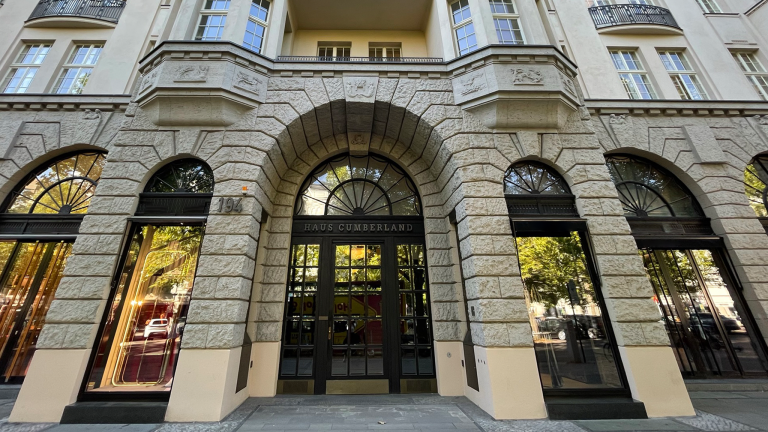
Cumberland House

CORE Kurfürstendamm 194 10707 Berlin Berlin Germany

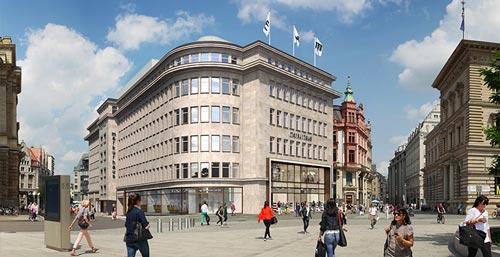
Messeturm_Frankfurt

CORE | EPAM Friedrich-Ebert- Anlage 49 60308 Frankfurt am Main Frankfurt Germany

T
+49-69-31019090
EPAM_Office_Leipzig

CORE | EPAM Markgrafenstr. 2 04109 Leipzig Leipzig Germany

T
+49 (0)30-263 4402 0
Schweiz

COREtransform GmbH Limmatquai 1 8001 Zurich, Helvetia Zurich Switzerland

T
+49 (0)30-263 4402 0
London

COREtransform Ltd. Canary Wharf 9 Devonshire Square, 5th Floor London EC2M 4YF London United Kingdom

T
+44 20 32856361

Cloud Computing - The new standard across all industries.

Cloud technologies have established themselves in most industries in recent years. But despite their undeniable market success, their adoption is often hampered by a fundamental conceptual flaw: The cloud is seen as a mere virtual infrastructure.
This approach can lead to a variety of sub-optimal outcomes, ranging from missed opportunities in fully realising cloud potential, to failure in developing true cloud-native applications and platforms, resulting in significant sunk costs.
With this in mind, the adoption of cloud technologies should always be preceded by a comprehensive design phase aimed at realising the full potential of cloud technologies, creating the most appropriate architecture and identifying the right technology stack.
With a strong theoretical background coupled with a proven track record in the design and implementation of cloud-native applications and platforms, our experts at CORE help clients from a wide range of industries realise the full potential of cloud technologies. 

Insights

Reference items

Contact our experts

Reference items

Expert Cloud EN - Dr. Philipp Kleine Jäger

Prof. Dr. Philipp Kleine Jäger
Managing Partner
Dr. Philipp
Kleine Jäger

Dr. Philipp Kleine Jäger is a Managing Partner at CORE and has extensive consulting experience in IT strategy and organisational development as well as sourcing, technology, and innovation managem...

Read more

Dr. Philipp Kleine Jäger is a Managing Partner at CORE and has extensive consulting experience in IT strategy and organisational development as well as sourcing, technology, and innovation management. In almost 20 years, he has gained extensive knowledge of complex financial products and systems through his work as lead architect of an international commercial bank for structured credit business and developer of portfolio management systems. In addition to classic transformation projects, he has planned and implemented cloud architectures for customers.

Read less

Expert EN - Philipp Gampe

Philipp Gampe
Manager
Philipp
Gampe

Philipp Gampe is an Manager at CORE. He studied computer science in Bonn and Potsdam. As a specialist for cloud infrastructures and architectures, he implements new projects in the cloud and helps ...

Read more

Philipp Gampe is an Manager at CORE. He studied computer science in Bonn and Potsdam. As a specialist for cloud infrastructures and architectures, he implements new projects in the cloud and helps with the migration of existing applications. In addition, he supports the automation of deployment and development processes as well as comprehensive automated testing.

Read less

Also interesting

Never send a human to do a machine's job.


Artificial intelligence (AI) and data analytics are undisputedly decisive levers in digitalisation and offer far-reaching possibilities for automation and information extraction. The use of the aforementioned technologies allows for scalability and determinism of processes and enables analyses with dimensionality and data volumes that are unattainable by human means. 

CORE has had the privilege of implementing various elements and services of Artificial Intelligence and Data Analytics for clients in different markets. From pattern recognition in genetic data to support diagnosis, statistical analysis of vehicle data to predict warranty claims, to the prediction of customer needs to support automated customer interaction. 

Often, companies and organisations are not initially clear about the extent to which their data can be used as valuable information or to automate processes. In addition, clients are at different stages of using AI or analytics. After a proof of concept, it is often determined that the first step is to create the necessary data infrastructure in order to harness the further potential of AI and analytics.  

The CORE Analytics Framework addresses the three levels of methods and models (that represent the analyses), technology and infrastructure (that represents the technical basis of performant data accessibility) and organisation (which focuses on the readiness of data usage in the organisation). 

Insights

Reference items

Contact our experts

Reference items

Expert EN - Denis Hohan

Denis Hohan
Senior Consulant
Denis
Hohan

Denis Hohan is a Senior Consultant at CORE. With a focus on digital transformation, data science, machine learning and GenAI, he supports our clients in the banking sector with business-critical te...

Read more

Denis Hohan is a Senior Consultant at CORE. With a focus on digital transformation, data science, machine learning and GenAI, he supports our clients in the banking sector with business-critical technology transformations. During his studies in business informatics, he gained practical experience across industries in management consulting, data science and software development.

Read less

Also interesting

  • Media consumer behaviour is under significant pressure to compete and act, as a major shift in customer needs towards personalised digital offerings can be observed

  • Historically grown IT system landscapes are not geared to the exponentially increasing technological competitive situation - the anchoring of skills for technical understanding and management is considered a critical success factor of modernisation projects, along with the editorial performance of the publishing houses

  • On the basis of modernisation, CORE enables its publishing clients to save up to 50 per cent of the IT budget and strengthens contemporary value creation and work organisation

Insights

Reference items
Blogpost

Technological domination within the publishing industry

Publishing houses, especially those with a clear focus on daily newspapers, have come under massive pressure in recent years: In relation to the print business, sales on the reader market are steadily declining, and for a few years now, sales in the advertising business

9th March 2022

Market situation in Media


The traditional publishing industry is under pressure - the circulation of German daily and Sunday newspapers has fallen by an average of 4% over the past 10 years, resulting in a total slump of 35%, or 7.9 million copies. Consumption of print media stagnated in 2020, with only 22 minutes of the nearly 10.5 hours spent on print products, including e-paper. The figures show that hardly any younger customers are joining the ranks; they prefer to orient themselves towards the contemporary and often free digital offerings. The challenges described above will intensify and the decade that has just begun will decide whether publishers will remain as individual institutions or whether the generation and curation of news will be taken over by other structures in the future. On the one hand, significant parts of value creation are predominantly shaped by IT, which allows for flexible adaptation to business models. On the other hand, IT can sometimes enable substantial cost reductions through the use of modern, modular systems that can be easily interconnected. 


Industry Passion


In view of the trends described, CORE sees an urgent need for action in IT.  Decision-makers are reluctant to accept the replacement of complex and cherished systems and the associated pain of change - wrongly, as CORE finds: Cloud infrastructures and software-as-a-service help to achieve a high degree of functional coverage despite great flexibility and scalability with modular systems.The modernisation process supported by CORE was structured along with the five core areas of applications/services, ERP core components, infrastructure, office IT and IT resources and not only helps to achieve remarkably low cost structures (e.g. through reduced expenses for maintenance and operation): it also allows for contemporary value creation and work organisation. In combination with an organisational focus on the core competences of publishing, workflows can be designed more efficiently and the quality of own content can be increased.  

Contact our experts

Reference items

Expert En - Artur Burgardt

Artur Burgardt
Managing Partner
Artur
Burgardt

Artur Burgardt is Managing Partner at CORE. He focuses, among other things, on the conceptual design and implementation of digital products. His focus is on identity management, innovative payment ...

Read more

Artur Burgardt is Managing Partner at CORE. He focuses, among other things, on the conceptual design and implementation of digital products. His focus is on identity management, innovative payment and banking products, modern technologies / technical standards, architecture conceptualisation and their use in complex heterogeneous system environments.

Read less

Expert EN - Dr. Philipp Kleine Jäger

Prof. Dr. Philipp Kleine Jäger
Managing Partner
Dr. Philipp
Kleine Jäger

Dr Philipp Kleine Jäger is a Managing Partner at CORE, EPAM's business and technology consulting arm. He has over two decades of experience in strategic consulting and industry, and has supported ...

Read more

Dr Philipp Kleine Jäger is a Managing Partner at CORE, EPAM's business and technology consulting arm. He has over two decades of experience in strategic consulting and industry, and has supported clients around the world, with a particular focus on the financial services sector. His work centres on profound, technology-driven corporate transformations and restructuring with a focus on business innovation. Philipp has also held positions as Chief Technology Officer and Advisory Board member for several FinTech companies, as well as Chief Architect for an international financial institution.

Read less

Also interesting

Privacy policy

  1. The name and contact details of the controller and the company data protection officer

    Controller: COREtransform GmbH, Kurfürstendamm 194, 10707 Berlin.
    Our company data protection officer can be contacted at the above address or at dpo@core.se

  2. Collection and storage of personal data and the nature and purpose of their use
    1. When visiting the website

      When you call up our website, the browser used on your end device automatically sends information to the server of our website. This information is temporarily stored in a so-called log file. Log files are retained for 30 days from the time they are created. The following information is recorded without your intervention and stored until it is automatically deleted:

      • When visiting the website
      • Date and time of the retrieval
      • Amount of data transmitted
      • Message whether the retrieval was successful
      • Description of the type of web browser used
      • Operating system used
      • The previously visited page
      • Provider
      • Your IP address
         

      We process the above-mentioned data for the following purposes:
       

      • Ensuring that the website is connected smoothly,
      • Ensuring a comfortable use of our website,
      • Evaluation of system security and stability.
         

      The legal basis for data processing is Art. 6 Para. 1 letter f GDPR. Our legitimate interest follows from the above-mentioned purposes for data collection.

    2. Contact (e-mail, telephone or letter)

      You can contact us by e-mail, telephone or post. In doing so, we only collect personal data if you provide us with this information voluntarily.
      An e-mail address is available on the website which can be used for electronic contact. If you send us an enquiry in this way, the user's personal data transmitted with the e-mail will be stored. If you contact us by letter or telephone, the user data provided will also be stored accordingly.
      The data will be stored and used exclusively for the purpose for which you have transmitted the data to us (e.g. processing of enquiries, maintenance of business relations, supplier management, etc.).
      The legal basis for the processing of the personal data necessary for the handling of contact requests is Art. 6 para. 1 sentence 1 letter f GDPR (legitimate interest). The legitimate interest arises from the fact that only by processing the user's data in an appropriate manner can we carry out the action requested by the user (e.g. answering enquiries). If the purpose of the contact is the conclusion of a contract, the additional legal basis for the processing is Art. 6 para. 1 lit. b GDPR.

    3. Speculative application/application

      If you would like to apply to us, you can send us your application by e-mail to office@core.se or by post to COREtransform GmbH (Kurfürstendamm 194, 10707 Berlin). The following data may be processed: Name, e-mail address, application documents (e.g. cover letter, CV, certificates, photo).
      If you apply to us via the platform of a third-party provider (third party applicant portals), we will only receive the information you provide there. Please refer to the respective data protection declarations for further information.

      If you apply directly via our website for an advertised position, your data will be forwarded via our recruiting service provider "Softgarden" for further processing. If you apply to CORE, your data will be collected and processed exclusively for the purpose of your application.
      The data collected from you is processed for the purpose of establishing an employment relationship (implementation of the application process, initiation of an employment relationship). The legal basis for this is Art. 88 para. 1 GDPR in conjunction with §26 para. 1, para. 8 sentence 2 BDSG (Bundesdatenschutzgesetz).
      In the event that you have submitted a declaration of consent to us to process your data, a further legal basis is Art. 88 para. 1 GDPR in conjunction with Art. 26 para. 2, para. 8, sentence 2 BDSG.
      We store your data for as long as you are actively seeking a position with us, but no longer than six months after the application process has been completed. We will then delete your data, unless you have given us your consent for the further storage of your data.
      If your application could possibly be considered for a position with us at a later date, we will send you an e-mail and ask you to give your consent to the storage of your application data for a further six months. The data will then be stored, processed and used for the purpose of contacting you in the event of a suitable position for you. Should there still be a need for storage after the expiry of a storage period extended by your consent, we will ask you again for your consent to extend the storage, processing and use. Your data will be deleted after the storage period covered by your consent has expired.
      In the event of a successful application, we will retain your data for the duration of the employment relationship and delete your data after it has ended, and the legally prescribed retention periods have expired. The legal basis for this is Art. 6 para. 1 lit. c GDPR.

    4. When clicking on the social media graphics

      By clicking on the social media graphics embedded on our website, you will be redirected to the COREtransform GmbH corporate site at the respective social media service. Your browser will establish a connection to the server of the respective social media service. In this case, the social media service will know that you are addressing it via the CORE website. Depending on the respective data protection guidelines of the third-party service provider, further data may be transmitted.

    5. Use of Open Street Maps

      We integrate the maps of the "OpenStreetMap" service (https://www.openstreetmap.org), which are offered on the basis of the Open Data Commons Open Database License (ODbL) by the OpenStreetMap Foundation (OSMF). OpenStreetMap does not use cookies. See the OpenStreetMap privacy policy: https://wiki.openstreetmap.org/wiki/Privacy_Policy
      To the best of our knowledge, OpenStreetMap uses user data exclusively for the purpose of displaying map functions and temporarily storing the selected settings. This data may include, in particular, IP addresses and location data of the users, which, however, are not collected without your consent (usually within the framework of the settings of their mobile devices).

    6. Use of Matomo

      With your consent we use Matomo (matomo.org) to analyse your surfing behaviour on our site. The legal basis for this is article 6 paragraph 1 lit.a GDPR. Matomo sets a cookie in your browser and you will be recognised pseudonymously when you call up our website again, i.e. your identity is not known to us. The cookie is stored until you delete it in your browser. For further details see Matomo's privacy policy: https://matomo.org/privacy-policy/

    7. Videos

      To play our own videos we use Vimeo (Vimeo, Inc., 555 West 18th Street, New York, New York 10011). Our videos are provided with a thumbnail to prevent data being transmitted to Vimeo as soon as you enter the site. Only when you agree, the video is started and a connection to the servers of the Vimeo portal is established. Your consent will not be stored.
      Privacy policy of Vimeo: https://vimeo.com/privacy
      Vimeo's cookie policy (opt-out): https://vimeo.com/cookie_policy

  3. Transfer of data

    Your personal data will not be transferred to third parties for purposes other than those listed below.

    We only pass on your personal data to third parties if:

    • you have given your explicit consent in accordance with Art. 6 Para. 1 letter a GDPR,
    • the disclosure is required under Art. 6 para. 1 lit. f GDPR and there is no reason to assume that you have an overriding interest worthy of protection in not disclosing your data,
    • in the event that there is a legal obligation to pass on the data pursuant to Art. 6 para. 1 lit. c GDPR, and
    • this is legally permissible and required for the processing of contractual relationships with you in accordance with Art. 6 para. 1 lit. b GDPR.
  4. Rights of data subjects

    You are entitled to the following rights:

    1. Right to information

      You have the right to ask us to confirm whether personal data concerning you is being processed by us.

      If such processing has taken place, you can request the following information from us:

      • the purposes for which the personal data are processed;
      • the categories of personal data processed;
      • the recipients or the categories of recipients to whom the personal data concerning you have been or will be disclosed
      • the planned duration of the storage of personal data concerning you or, if it is not possible to give specific details, criteria for determining the duration of storage;
      • the existing rights to correct or delete personal data concerning you, a right to limit processing by us or a right to object to such processing
      • the existing right of appeal to a supervisory authority;
      • all available information about the origin of the data, if the personal data is not collected from you
      • You have the right to request information as to whether personal data concerning you is transferred to a third country or to an international organisation. In this context, you may request to be informed of the appropriate safeguards pursuant to Art. 46 GDPR in connection with the transfer.

      CORE does not carry out automated decision making or profiling.

    2. Right to rectification

      You have the right to correct and/or complete personal data if the processed personal data concerning you is incorrect or incomplete. We must make the correction without delay.

    3. Right to erasure

      You can demand from us that the personal data concerning you be deleted immediately. CORE is obliged to delete this data immediately if one of the following reasons applies:

      • The personal data concerning you are no longer necessary for the purposes for which they were collected or otherwise processed.
      • You revoke your consent on which the processing was based in accordance with Art. 6 para. 1 letter a or Art. 9 para. 2 letter a GDPR and there is no other legal basis for the processing.
      • You raise an objection to the processing in accordance with Art. 21 Para. 1 GDPR and there are no legitimate reasons for the processing, or you raise an objection to the processing in accordance with Art. 21 Para. 2 GDPR (direct marketing).
      • Personal data concerning you have been processed unlawfully.
      • The deletion of personal data concerning you is necessary to comply with a legal obligation under Union law or the law of the Member States to which the controller is subject.
      • The personal data concerning you has been collected in relation to information society services offered, in accordance with Art. 8 para. 1 of the GDPR.
    4. Right to be forgotten

      If CORE has made the personal data concerning you public and CORE is obliged to delete it in accordance with Art. 17 Para. 1 GDPR, CORE will take appropriate measures, including technical measures, taking into account the available technology and implementation costs, to inform data controllers who process the personal data that you, as the data subject, have requested them to delete all links to this personal data or copies or replications of this personal data.

      Exceptions

      The right of cancellation does not apply if the processing is necessary

      • on the exercise of the right to freedom of expression and information;
      • in order to comply with a legal obligation requiring processing under Union or national law to which the controller is subject or in order to perform a task carried out in the public interest or in the exercise of official authority vested in the controller;
      • for reasons of public interest in the field of public health pursuant to Art. 9 para. 2 lit. h and i and Art. 9 para. 3 GDPR;
      • for archiving, scientific or historical research purposes in the public interest or for statistical purposes in accordance with Art. 89 Para. 1 GDPR, insofar as the law referred to in section a) is likely to render impossible or seriously prejudice the attainment of the objectives of such processing, or
      • to assert, exercise or defend legal claims.
    5. Right to restriction of processing

      Under the following conditions, you may request that the processing of personal data concerning you be restricted:

      • if you dispute the accuracy of the personal data concerning you for a period of time that allows CORE to verify the accuracy of the personal data;
      • the processing is unlawful and you object to the deletion of the personal data and instead request the restriction of the use of the personal data
      • CORE no longer needs the personal data for the purposes of the processing, but you need it to assert, exercise or defend legal claims, or
      • if you have raised an objection to the processing in accordance with Art. 21 para. 1 GDPR and it has not yet been established whether the legitimate reasons given by CORE outweigh the reasons given by you.

      If the processing of personal data relating to you has been restricted, such data may be processed, with the exception of storage, only with your consent or for the purpose of asserting, exercising or defending legal claims or protecting the rights of another natural or legal person or on grounds of an important public interest of the Union or a Member State.

      If the restriction on processing has been restricted in accordance with the above conditions, you will be informed by us before the restriction is lifted.

    6. Right to object

      If the processing of personal data relating to you is necessary for the performance of a task which is in the public interest (Art. 6 para. 1 letter e GDPR) or to safeguard our legitimate interests (Art. 6 para. 1 letter f GDPR), you have the right to object.

      The person responsible will no longer process the personal data concerning you unless he/she can demonstrate compelling reasons for processing which are worthy of protection and which outweigh your interests, rights and freedoms, or unless the processing serves to assert, exercise or defend legal claims.

      If the personal data concerning you are processed for the purpose of direct marketing, you have the right to object at any time to the processing of personal data concerning you for the purpose of such marketing.

      If you object to processing for direct marketing purposes, the personal data concerning you will no longer be processed for these purposes.

    7. Right to withdraw the declaration of consent under data protection law

      You have the right to revoke your data protection declaration of consent at any time. Revocation of your consent does not affect the lawfulness of the processing that has taken place on the basis of your consent until revocation.

    8. Right of appeal

      Under Art. 77 of the GDPR, you have the right to complain to the supervisory authority if you believe that your personal data are being processed unlawfully. The address of the supervisory authority responsible for our company is: Berliner Beauftragte für Datenschutz und Informationsfreiheit, Friedrichstr. 219, 10969 Berlin, Tel.: 030/13889-0, E-Mail: mailbox@datenschutz-berlin.de.


      Berlin,January 2024
      COREtransform GmbH